by grancestry | Oct 4, 2026 | Encyclopedia Records
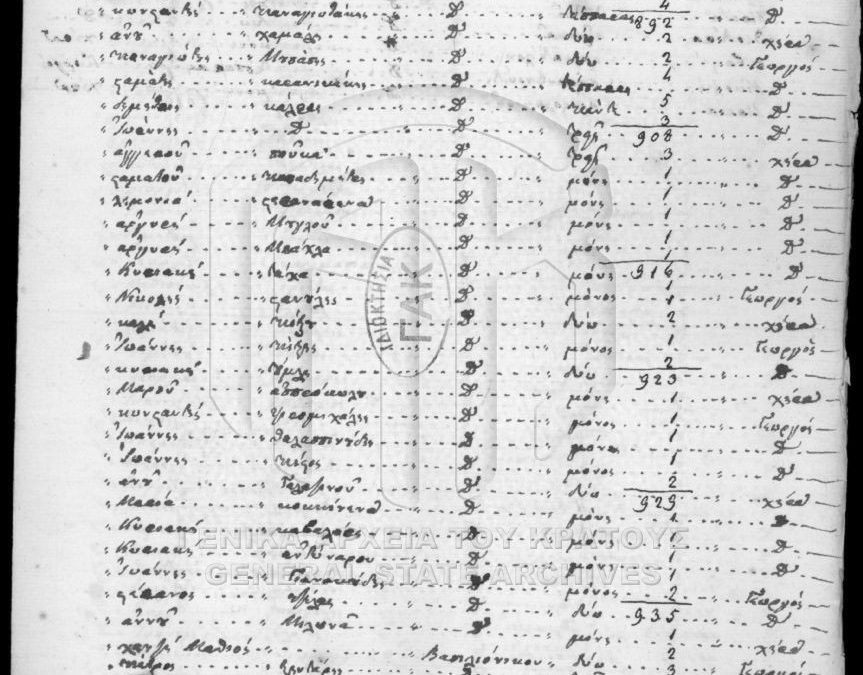
Local or national population data are essential for every state’s policymaking. The first census of the modern Greek state was conducted in 1828-1829 by the government of Ioannis Kapodistrias. In the following three decades, 14 censuses were conducted or attempted....
by grancestry | Oct 4, 2026 | Encyclopedia Records
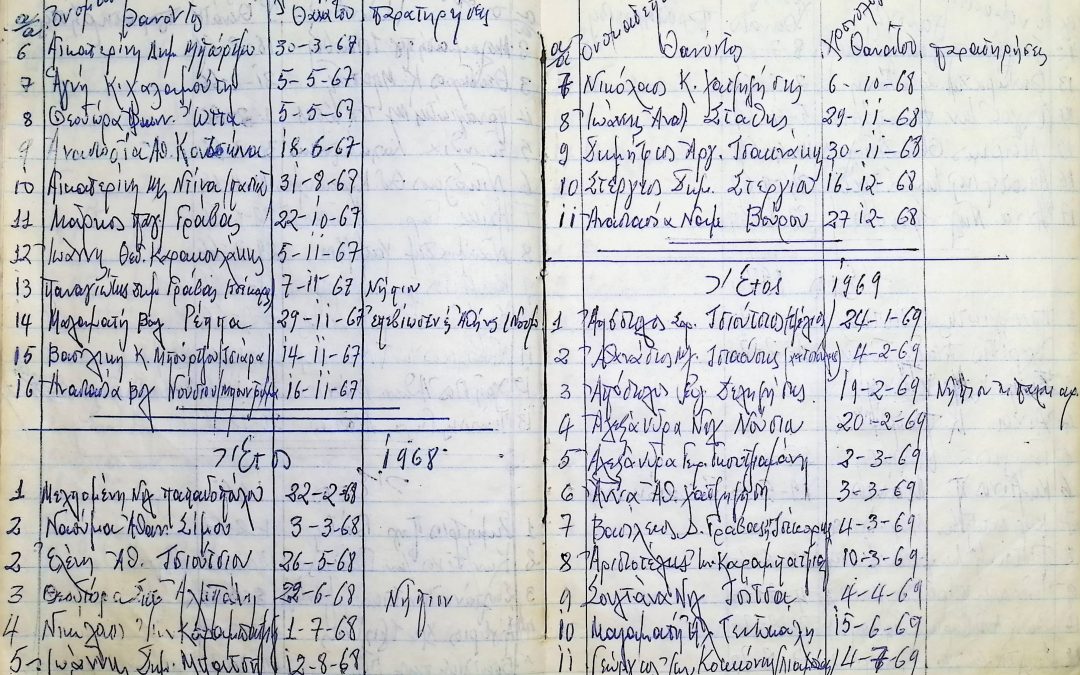
The Greek state’s administration is not the only entity creating vital records. Indeed, the Greek Orthodox church also keeps baptismal, marriage, and death records. There are two categories of church vital records: 1) the baptismal, marriage, and death...

by grancestry | Oct 4, 2026 | Encyclopedia Records
City Directories are commercial publications listing residents, professionals, businesses, and telephone number holders. The idea behind them has been to facilitate communication and offer business contacts. While such directories were available in other countries...

by grancestry | Oct 4, 2026 | Encyclopedia Records
Greek “civil vital records” refer to those birth, marriage, and death certificates created by Greece’s civil authorities, in this case, the Registry Office (Ληξιαρχείο – Lixiarcheio) of a Municipality (Δήμος – Dimos). Every time a vital event (birth, marriage, or...
by grancestry | Oct 4, 2026 | Encyclopedia Records
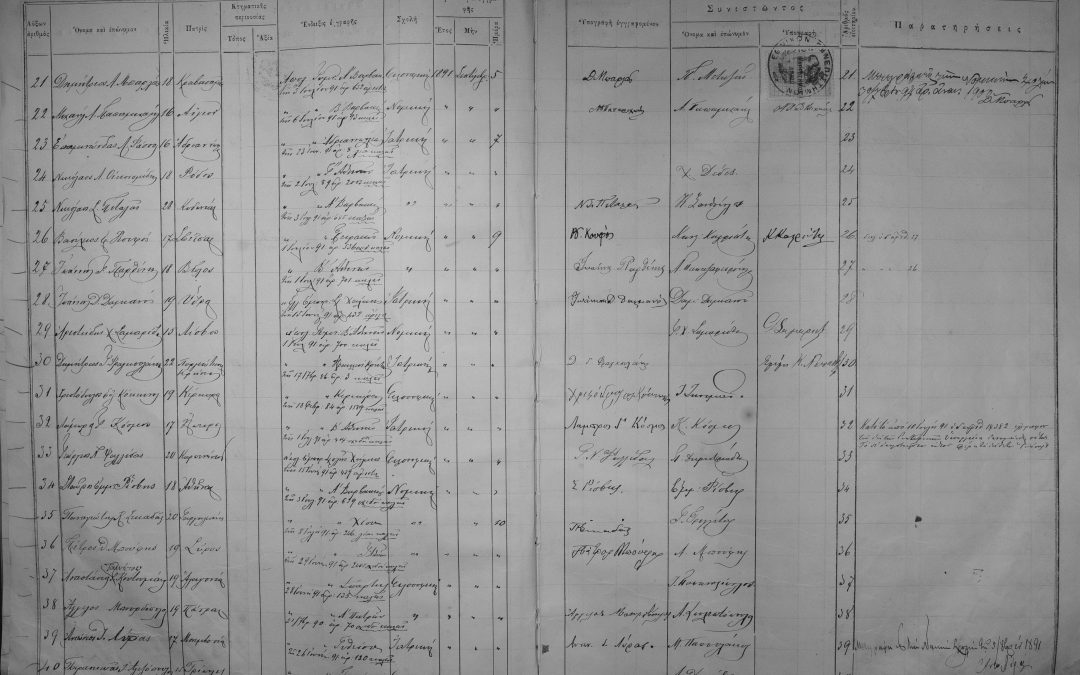
School Records Immediately after the foundation of the modern Greek state, systematic efforts for the organization of an effective educational system were commenced. In the 19th century, primary school education was obligatory for everyone. In the beginning, boys...
by grancestry | Oct 4, 2026 | Encyclopedia Records
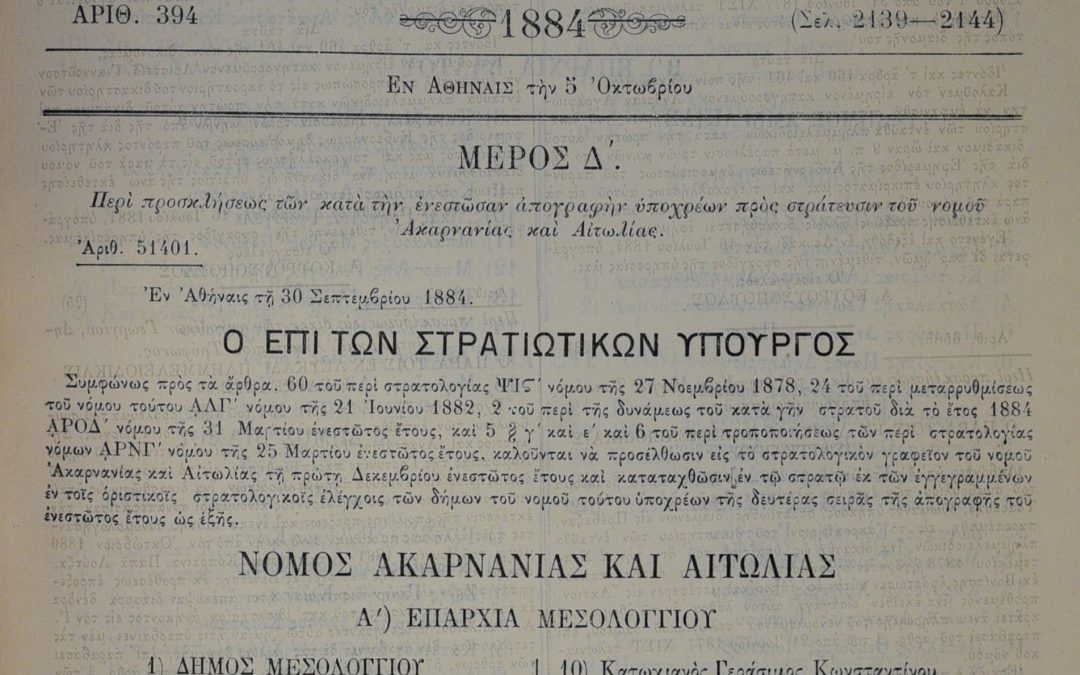
Up until 1879, military service in Greece was not obligatory for all men. Instead, in the beginning, conscription relied on a ballot process conducted at the municipal level. The candidates were 18-year-old men, and in case the enlistment number was not sufficient,...