by grancestry | Oct 4, 2026 | Encyclopedia Regional Guide
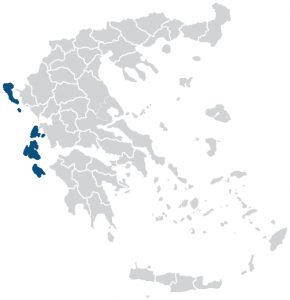
Situated along the west coast of Greece, the Ionian islands are comprised of seven large and many smaller ones: Kerkyra/Corfu (Κέρκυρα); Paxos (Παξοί); Lefkada (Λευκάδα) or Lefkas; Ithaki (Ιθάκη) or Ithaca; Kefalonia (Κεφαλονιά) or Cefalonia,...
by grancestry | Oct 4, 2026 | Encyclopedia Regional Guide
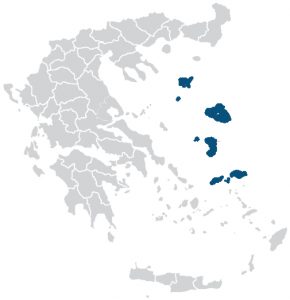
The North Aegean islands are situated in the northeastern Aegean Sea, close to the Asia Minor coast: Samos (Σάμος), Ikaria (Ικαρία), Chios (Χίος), Lesvos (Λέσβος), Lemnos (Λήμνος), Agios Efstratios (Άγιος Ευστράτιος), Psara (Ψαρά), Fournoi Korseon (Φούρνοι Κορσέων),...
by grancestry | Oct 4, 2026 | Encyclopedia Regional Guide
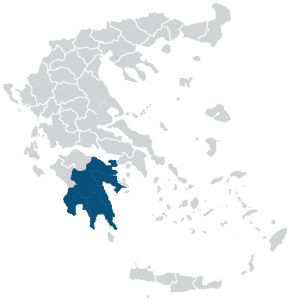
The Peloponnese is home to the notable cities of Sparta, Corinth and Olympia. Settled in prehistoric times, this “island of Pelops” is connected to the mainland by the Isthmus of Corinth and the Rio-Antirrio bridge. Also known as the Morea during Byzantium, the region...
by grancestry | Oct 4, 2026 | Encyclopedia Regional Guide
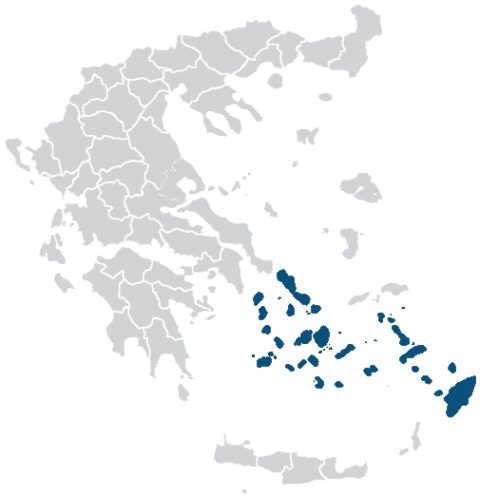
Since antiquity, the South Aegean islands (Cyclades and Dodecanese) have played a crucial role in maritime history, travel and trade among the Mediterranean continents. The region is the most popular tourist destination in Greece. Forty-eight of the 79 islands...
by grancestry | Oct 4, 2026 | Encyclopedia Regional Guide
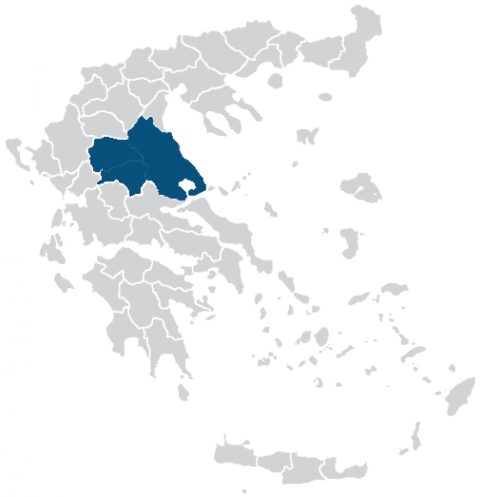
Thessaly, located in north central Greece, has been inhabited since 6000 B.C. and is mentioned in Homer’s Odyssey by its ancient name of Aeolia. Its proximity to the Balkans fostered centuries of conquest by Slavs, Bulgarians, Vlachs and Serbs....
by grancestry | Oct 4, 2026 | Encyclopedia Regional Guide
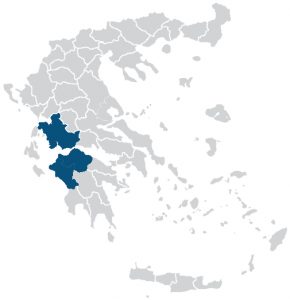
Western Greece encompasses the northwestern Peloponnese and the western part of Central Greece and figures significantly in the country’s history. Bishop Germanos of Patras was among the first to call for rebellion at the start of the 1821 Revolution. Known as...