by grancestry | Oct 4, 2026 | Encyclopedia Regional Guide
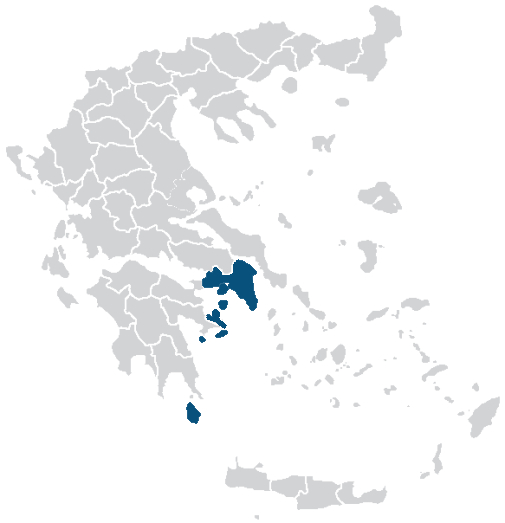
Introduction Attika is the home of Athens which became the capital of the modern Greek state in 1834. The number of its inhabitants surged when more than one million refugees from Asia Minor resettled in Greece during the Greek-Turkish population exchange of 1922-23,...
by grancestry | Oct 4, 2026 | Encyclopedia Regional Guide
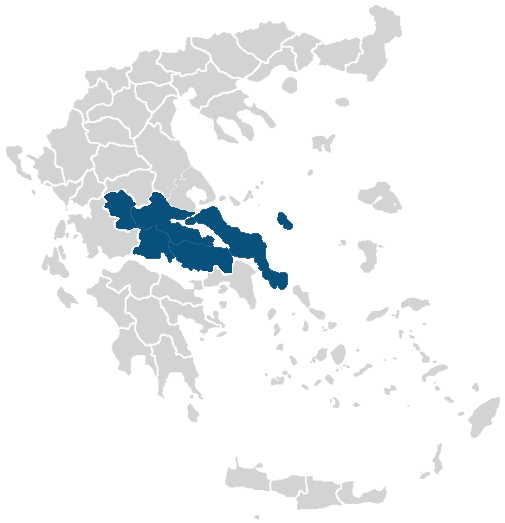
Central Greece is the second largest region noted for its agricultural lands, rich landscapes, mountain ecosytems, marine wildlife and metallurgical industries. Among its many archaeological sites is Delphi, reknown for the Oracle of Delphi and the ancient religious...
by grancestry | Oct 4, 2026 | Encyclopedia Regional Guide
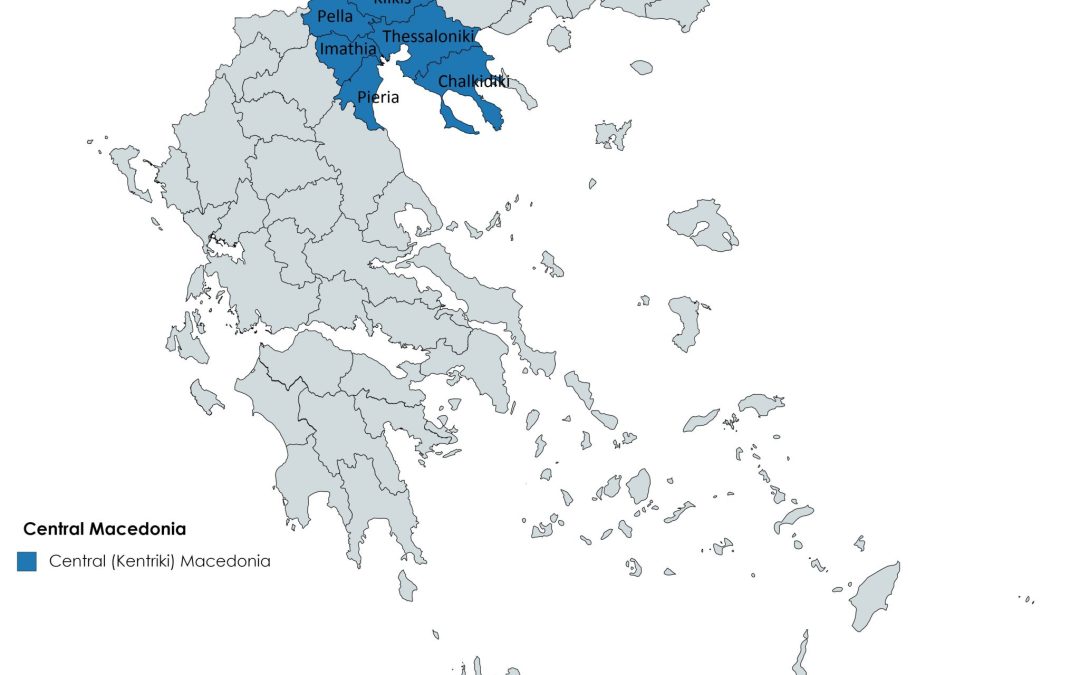
Central Macedonia became part of Greece in 1913. Located in northern Greece, it shares borders with Bulgaria and the Republic of North Macedonia. Its varied geography encompasses high mountains and lowlands with many rivers that lead to a peninsula in the northern...
by grancestry | Oct 4, 2026 | Encyclopedia Regional Guide
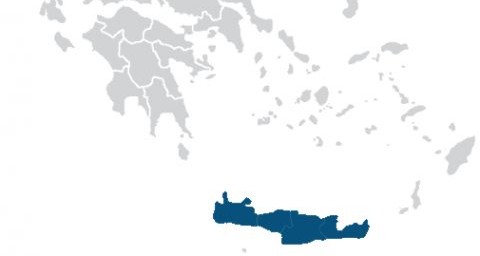
Crete became part of Greece in 1913. Prior to then, it was under Ottoman rule from 1669-1897; then it functioned as an autonomous state until its union with Greece in 1913. The region of Crete includes several islands: Crete, of course, but also Gavdos,...
by grancestry | Oct 4, 2026 | Encyclopedia Regional Guide
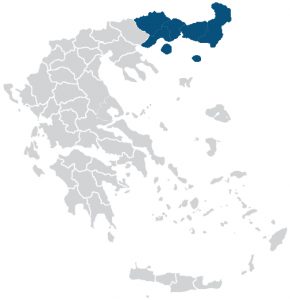
Eastern Macedonia became part of Greece in 1913 and Thrace became part of Greece in 1920. Eastern Macedonia came under Ottoman rule in 1430; Thrace had been controlled by Bulgaria until it was conquered by the Ottomans in 1453. Located in northeastern Greece, this...
by grancestry | Oct 4, 2026 | Encyclopedia Regional Guide
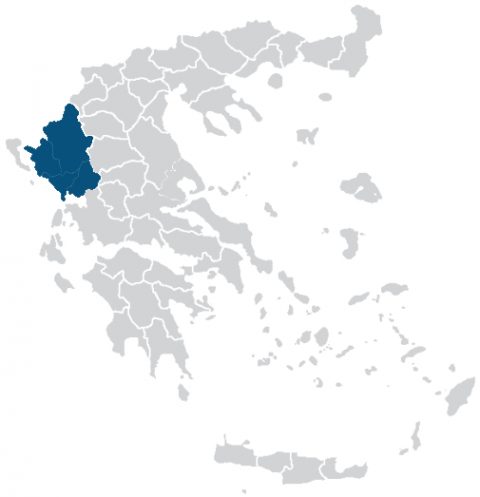
Epirus became part of Greece in 1913. It was under Ottoman rule from the 15th early 19th century. After a period of semi-independence, Ottomans regained control in 1821. Epirus has been inhabited since the Neolithic period. Over the centuries, its borders varied with...